
Dustbin Manufacturing: Providing Solutions for Organized Spaces
Ensuring cleanliness and hygiene in commercial environments is very important. Quality Dustbins, serving as essential tools for waste management and sanitation, play a crucial role in this regard. Businesses in various sectors rely on durable and reliable Dustbins to keep their spaces neat and organized.
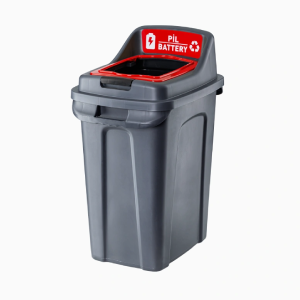 Key Points:
Hygiene Maintenance: Discuss how quality Dustbins contribute to maintaining cleanliness standards in commercial areas, reducing the risk of contamination, and supporting a healthy environment for both employees and customers.
Waste Management Efficiency: Highlight the role of Dustbins in facilitating the efficient sorting and disposal of waste necessary for compliance with environmental regulations and sustainability goals.
Enhanced Aesthetics: Emphasize how well-designed, aesthetically pleasing Dustbins can contribute to the overall ambiance of a commercial space, leaving a positive impression on visitors and customers.
Important Considerations in Dustbin Manufacturing
When manufacturing Dustbins, it is crucial to consider their specific requirements and preferences. Understanding and addressing these needs, from material selection to design features, is critical to offering satisfactory solutions.
Key Points:
Material Selection: Discuss the importance of choosing durable and easy-to-clean materials. Dustbin manufacturing ensures longevity and ease of maintenance.
Capacity and Design: Emphasize the importance of designing Dustbins with sufficient capacity and ergonomic features to meet the volume and types of waste typically produced in commercial environments.
Quality Standards and Regulations in Dustbin Manufacturing
Compliance with industry standards and regulations in Dustbin manufacturing is non-negotiable. Meeting quality criteria not only ensures the reliability and safety of the products but also enhances trust and credibility among customers.
Key Points:
Industry Standards: Provide an overview of relevant quality standards and regulations governing Dustbin production, such as durability tests, material safety requirements, and labeling guidelines.
Certifications and Compliance: Discuss the importance of obtaining certifications and complying with regulatory requirements to demonstrate product quality and safety to customers.
Continuous Improvement: Emphasize the value of implementing quality management systems and processes to continuously monitor and improve product quality throughout the manufacturing process.
Key Points:
Color Variations: Discuss the importance of offering a variety of color options to allow customers to comply with branding rules or match the aesthetics of commercial spaces.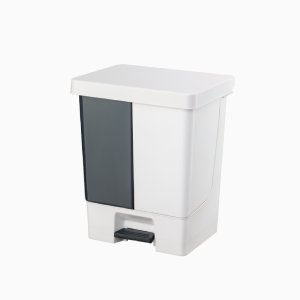
Size and Configuration: Discuss the flexibility in size and configuration options, enabling customers to choose Dustbins that best fit their space constraints and waste management needs.
Facilitating Wholesale Operations: From Production to Distribution
Efficient wholesale operations are crucial for delivering quality Dustbins to customers timely and cost-effectively. Streamlining production and distribution processes is key to meeting customer demands and maintaining a competitive advantage in the market.
Key Points:
Optimized Production Workflow: Discuss strategies to optimize production workflow using lean manufacturing principles and automation technologies to increase efficiency and minimize production lead times.
Inventory Management: Explore the importance of efficient inventory management systems to ensure adequate stock levels and timely fulfillment of orders for customers.
Logistics and Distribution: Highlight the importance of reliable logistics partners and distribution networks to deliver Dustbins to customers in different geographical locations.
Building Strong Relationships: Supplier and Customer Collaboration
Building strong relationships with customers is essential for long-term success in the Dustbin manufacturing industry. By fostering collaboration and communication, manufacturers can better understand customer needs and preferences, leading to mutually beneficial outcomes.
Key Points:
Customer Needs Assessment: Emphasize the importance of conducting comprehensive needs assessments and maintaining open communication with customers to understand their specific requirements and expectations.
Feedback Integration: Discuss the value of actively seeking customer feedback and integrating it into the product development process to continuously improve product offerings and service delivery.
Long-Term Partnership: Highlight the benefits of developing long-term partnerships with customers based on trust, reliability, and mutual respect, enhancing loyalty and repeat business.
Uğurlar Plastik specializes in providing high-quality Dustbins that meet industry standards. Supported by quality materials and meticulous manufacturing processes, our products help businesses maintain hygiene standards and ensure effective waste management. Additionally, Uğurlar Plastik adopts a customer-centric approach, striving to build long-term partnerships with our business partners based on trust and collaboration. By understanding our customers' needs and considering their feedback, we continuously improve our products and services. Uğurlar Plastik continues to offer reliable and quality solutions for the cleaning and hygiene needs of businesses with its expertise in the manufacturing and distribution of Dustbins and similar products.


